
Most agency owners think automation is about tools. It’s not. It’s about what you stop doing before you start building anything.
I’ve watched dozens of founders rush into automation software only to abandon it within weeks. The problem wasn’t the tool. It was that they were automating the wrong things-or automating things that shouldn’t exist in the first place. Before you implement the 4-level automation system, you need to understand what’s actually blocking your agency. That clarity changes everything.
The first mistake: automating chaos
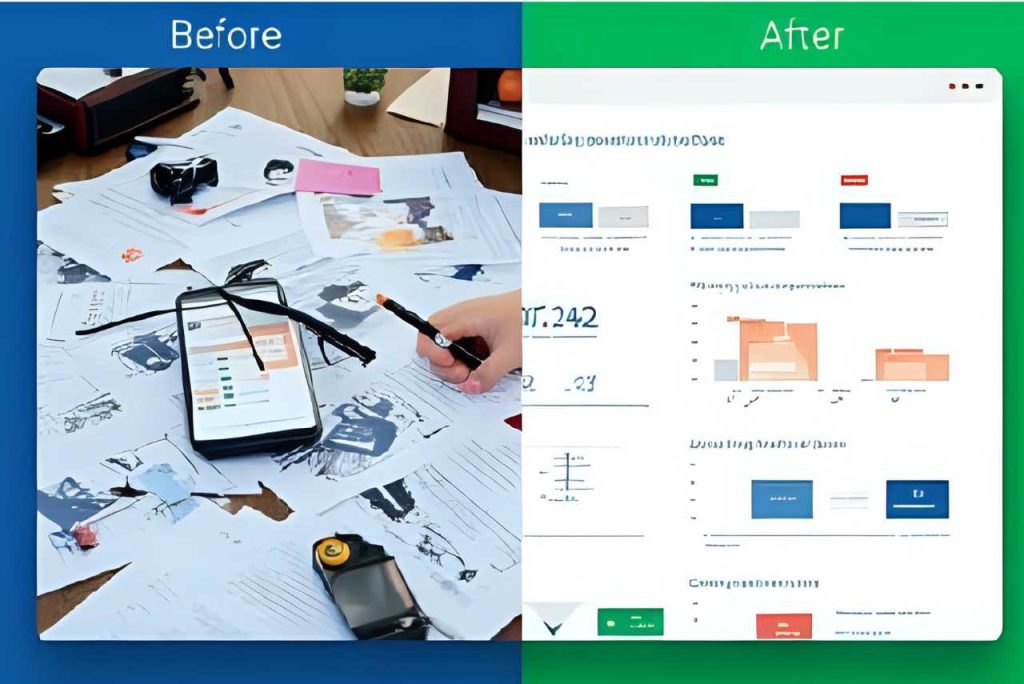
Here’s the truth most agency owners miss: you can’t automate a broken process.
When your client onboarding is a mess of emails, spreadsheets, and unclear handoffs, adding automation software won’t fix it it will just make the mess move faster. You’ll automate confusion instead of clarity. The software becomes invisible infrastructure for a broken system, and nobody knows why clients are still frustrated.
Critical step: Test manually first.
Before implementing any automation tool, take time to clarify the process manually. Map each step, eliminate unnecessary tasks, and test it with real clients. Only then should automation be applied to enhance the process.
This might feel slower at first, but manual validation iswhat transforms automation into a real productivity lever. Without it, you’re just encoding chaos into code.
Once the process is streamlined, automation can be applied. When you automate something that works, you eliminate friction, and this adds clarity and productivity to your operations.
The lesson is simple: stop trying to save time on broken processes. Map the process first. Make it manual and clean. Test it with real clients. Watch it work. Then automate it.
This takes discipline. It feels slower. But it’s the only way automation actually reduces friction instead of encoding it.
The second mistake: confusing busy with important
Most people don’t realize what’s actually draining their time.
Agencies are drowning in tasks. Most of them don’t matter. You spend time on admin that doesn’t move clients forward. You attend meetings that could be emails. You manage spreadsheets that track things no one looks at. You process invoices manually. You send follow-up messages. You organize files. These tasks feel urgent because they’re always in front of you, demanding attention.
Strategy: Eliminate first, automate second.
Automating tasks that don’t provide value is counterproductive. It makes the waste invisible. The system hums along, consuming resources and energy, delivering zero real value.
I know a consultant who spent a month automating her email tagging system. She saved fifteen minutes a week. But she was spending three hours daily answering the same client questions. The real problem wasn’t email organization—it was the lack of a FAQ or resource hub.
Stop automating low-value tasks. Start eliminating them. Ask yourself: If this disappeared tomorrow, would the business suffer? If the answer is no, don’t automate it. Delete it.
The third mistake: Treating automation tike a quick fix
Think of automation as a decision made permanent.
Automation is not a shortcut. When you automate something, you’re encoding a decision into a system. That decision either works or it doesn’t. If it doesn’t, the system breaks silently, and you’ll only notice when a client complains, a deadline is missed, or revenue drops unexpectedly. By then, the damage is done.
Before implementing automation, spend a week thinking about what should be automated. Identify which processes are causing the most friction. Run the process manually for two weeks to test the logic, to watch how it actually behaves in the real world, and to catch what you missed on paper.
This sounds slower. It’s actually faster because you automate something that works. You avoid the trap of building elegant systems that nobody uses or systems that work perfectly on paper but fail in practice.
Test the logic before you encode it.
The fourth mistake: Automating without knowing your numbers
You can’t automate strategically if you don’t know what matters.
Most agencies track the wrong metrics. They measure how busy they are, not how profitable they are. They count hours billed, not revenue per client. They track tasks completed, not outcomes delivered. They see activity and mistake it for progress.
Know your numbers first.
Before automating, track and measure the right metrics. Identify which tasks are the most costly in terms of time and resources, and which ones have the greatest impact on client satisfaction and revenue. If you don’t have a clear understanding of your numbers, you’ll automate based on assumptions rather than data. This can lead to automating tasks that don’t generate real value or ignoring processes that could dramatically improve profitability.
One founder I worked with thought her biggest bottleneck was client communication. She was spending hours replying to emails, answering questions, coordinating across platforms. So she wanted to automate all of it. But when we looked at her actual numbers-revenue, profit margin, client retention, project profitability—client communication wasn’t the problem at all. Project scoping was. Clients kept asking for changes because the scope was unclear from day one. Vague briefs led to scope creep. Scope creep killed margins.
We didn’t automate emails. We redesigned the scoping process. We created a clearer brief template. We built in a scoping call where expectations were locked in.
That one decision moved her from 40% margins to 58% margins. Not because she saved time. But because she fixed the right problem using data.
Know your numbers first. Let your KPIs (Key Performance Indicators) guide every automation decision. Know which bottlenecks actually cost you money. Know which processes directly impact client satisfaction or revenue. Automate those. Ignore the rest.
The mindset shift you actually need
Stop thinking about automation as “doing more with less.” Start thinking about it as “doing the right things without friction.”
Automation isn’t about speed. It’s about clarity.
When a process is clear and the right people execute it, automation amplifies that clarity. When a process is confused, automation just makes confusion faster. It’s like taking a broken map and distributing it more efficiently. You’ve solved nothing.
The agencies that scale are the ones that:
- First eliminate what doesn’t matter
- Then clarify what does
- Then automate the clear parts
- Then measure the results
- Then iterate
This is not exciting. It’s not a quick win. But it’s the only way automation actually works. It’s the only way you build systems that compound over time instead of systems that collapse under their own weight.
Once you have this mindset, implementing a real agency automation roadmap becomes straightforward. You know what to automate. You know why it matters. You know how to measure it. And you know how to keep improving it.
The real authority
The modern agency automation mindset isn’t about tools. It’s about discipline. It’s about deciding first, testing second, and automating third.
Before you build any system, stop and ask:
- Does this process need to exist?
- Is this decision clear?
- Do I know why it matters?
- Have I tested it manually?
- Do I have the data to back this up?
Once you answer yes to all these questions, automation becomes simple. But simplicity isn’t laziness—it’s discipline. The agencies that scale understand this difference. They start small. They validate manually. They measure obsessively. They iterate continuously. And they scale progressively.
This is the foundation. Everything else builds from here.