
Autonomous ai shopping agents transform checkout by executing complete purchase flows without customer intervention. unlike traditional chatbots, these systems combine language model reasoning with acp protocols and stripe apis to handle intent, negotiation, and payment seamlessly. understanding the mechanics behind zero-click technology helps retailers prepare for adoption.
Important prerequisite: when agents actually work
Agents deliver maximum roi when your product pages already convert at 1%+.
Use this decision tree to determine if agents are right for you now:
If your conversion rate is below 1%:
→ Start with revenue optimization framework first
→ Fix your product content, descriptions, and images (layer 1)
→ Then consider agents after content improves
→ Why: weak product pages defeat agent value. fix foundation first.
If your conversion rate is 1-3% and cart abandonment is high (60%+):
→ Implement both in parallel: p3c (layers) + p2 (agents)
→ Do optimization layers while setting up agents
→ Optimization improves what customers see, agents reduce checkout friction
→ Timeline: 4-6 weeks to see results from both
If your conversion rate is above 3%:
→ Agents are an excellent next step
→ Your foundation is already strong
→ Agents capture the final abandoned carts that slip through
→ Quick roi: agents typically pay for themselves in 4-8 weeks
Bottom line:
Agents won’t magically fix weak product pages. they work best when visitors want to buy but hesitate at checkout. your job: get them to want to buy. our job (agents): get them past checkout.
The problem: checkout friction costs money
Most online stores lose customers at checkout. the process requires too many clicks, form fields, and confirmations. a shopper finds a product, adds it to cart, enters shipping details, chooses payment method, reviews the order, then finally completes the purchase. each step creates friction and abandonment risk.
According to industry data, 70% of shopping carts are abandoned before payment. the reasons cluster around the same pattern: checkout feels tedious, customers worry about hidden fees, or they simply get interrupted and forget to return.
Traditional solutions like guest checkout or saved payment methods help but don’t solve the core problem. they still require deliberate action from the customer. zero-click agents eliminate this friction entirely by handling the entire flow autonomously based on customer intent alone.
How autonomous agents actually work
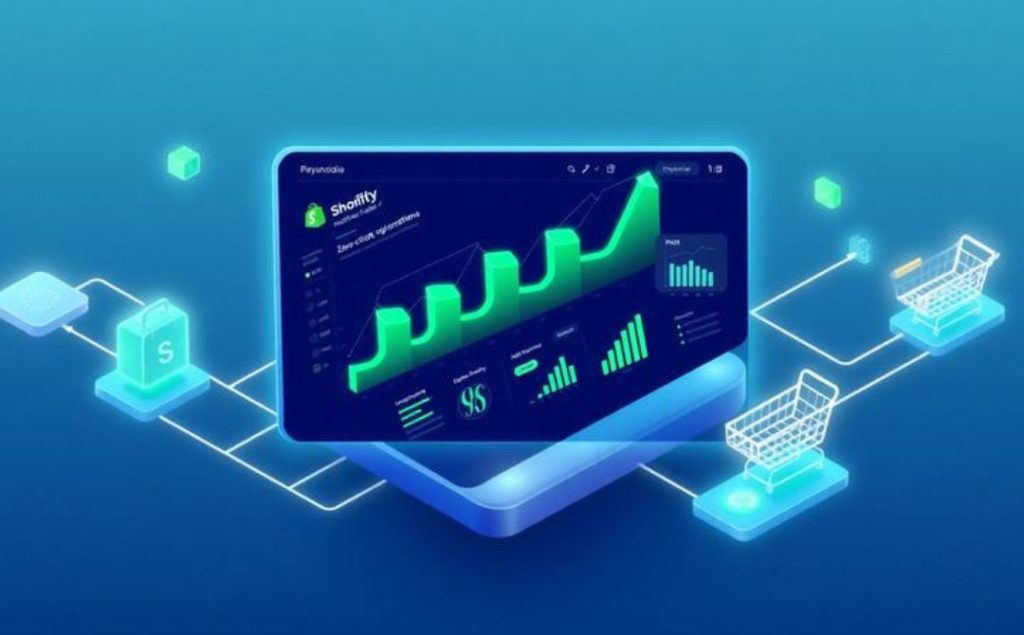
An ai shopping agent operates through a sequence of coordinated steps that mimic human decision-making but execute instantly.
The process starts when a customer expresses intent. this might be a simple phrase like “buy the blue running shoes in size 10” or a more complex request across multiple products. the agent parses this intent using language understanding models, extracting product details, quantity, and preferences.
Once intent is clear, the agent queries your store’s inventory system through apis. it confirms product availability, checks pricing, and retrieves product metadata. if the exact item isn’t available, the agent can suggest alternatives based on customer preferences or previous behavior.
The next phase involves negotiation logic. the agent calculates shipping costs, evaluates taxes based on the customer’s location, and checks for applicable discounts or promotions. this happens in milliseconds. the agent can even decide whether to apply a discount code if one exists in the customer’s account or loyalty program.
With all details confirmed, the agent initiates payment through stripe or your preferred processor. this uses stored payment credentials when available, but can also handle new payment methods securely. the agent submits the transaction, waits for authorization, and proceeds only after confirmation.
Finally, the agent confirms the order, triggers fulfillment workflows, and optionally notifies the customer. the entire sequence from intent to confirmation takes seconds.
The technical stack: acp protocols and apis
Three technical components make zero-click agents possible: acp protocols, llm flows, and payment apis.
Acp stands for autonomous commerce protocol. think of it as a standardized handshake language between agents and commerce systems. when your shopify store, payment processor, and inventory system all understand acp, the agent can negotiate purchases reliably without human oversight.
Llm flows refer to language model processing chains. the agent receives natural language input, parses it into structured data, evaluates options, and generates appropriate actions. modern language models handle this reasoning remarkably well, understanding context, preferences, and even sarcasm.
Stripe’s apis provide the payment rails. stripe connect, stripe billing, and custom webhooks let agents trigger transactions, check balances, and manage refunds programmatically. most agents use a combination of stripe’s standard endpoints and custom middleware to handle edge cases.
Why retailers should care: the competitive reality
Walmart already uses chatgpt-powered checkout. amazon’s buy for me feature lets agents purchase items autonomously on behalf of customers. these aren’t experiments anymore. they’re revenue streams.
For mid-size retailers, the advantage comes from conversion lift. one austin shopify seller reported a 30% conversion increase within three weeks of implementing zero-click agents. the math is simple: fewer friction points mean more completed transactions.
Beyond conversions, operational costs drop. support tickets related to checkout questions decline. returns due to shipping confusion decrease. fulfillment becomes predictable because the agent confirms details before payment.
The integration challenge
Getting agents working isn’t plug-and-play. your store needs real-time inventory visibility. payment systems must allow agent-initiated transactions. customer data must be secure and accessible.
For shopify stores, this means custom apps or third-party integrations that handle agent requests. woocommerce requires middleware layers connecting to your hosting environment. legacy systems might need api wrappers just to communicate with modern agent infrastructure.
California retailers have reported successful integrations within four to eight weeks when they plan carefully upfront. the key is mapping dependencies before building.
What happens when something goes wrong
Agents aren’t perfect. they can misinterpret customer intent, apply the wrong discount, or select the wrong size. the key is building safeguards.
Most implementations include a review threshold. if an order exceeds a certain value or contains unusual items, the agent pauses and sends a confirmation request to the customer. this preserves trust while keeping friction low for routine purchases.
Some agents maintain a learning loop, flagging scenarios where they’re uncertain and letting humans review patterns. over time, these systems improve accuracy and confidence.
Preparing your store for agent commerce
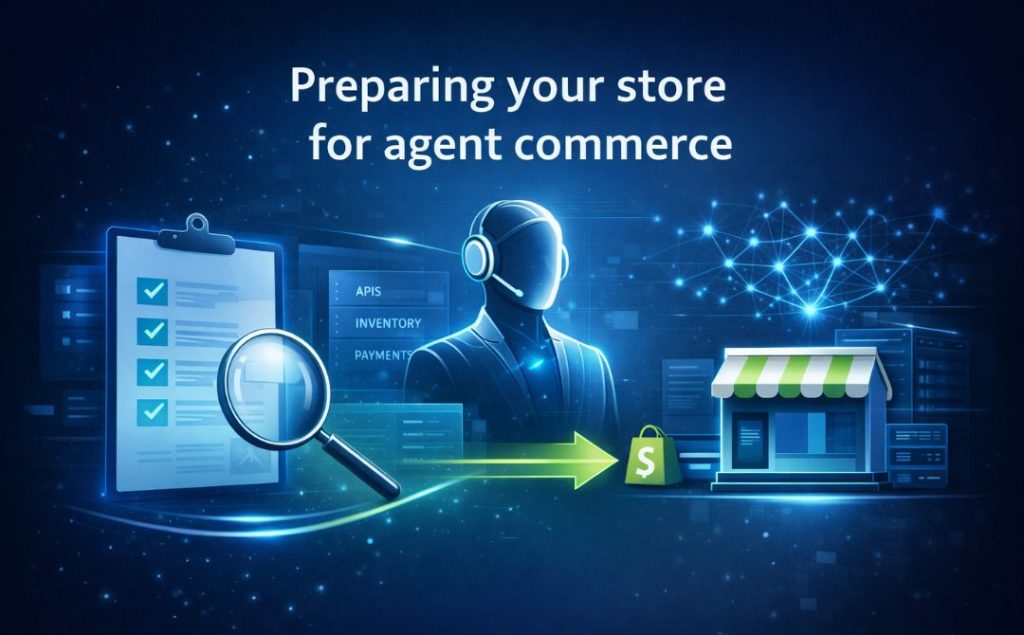
Start with a clear technical audit. document your current apis, payment flows, and inventory systems. identify where agents need access and what security controls matter most.
Next, choose your integration point. will you build a custom agent specifically for your store, or use existing platforms like stripe’s new agent marketplace? each approach has tradeoffs between flexibility and time to launch.
Finally, test with real traffic gradually. run agents on a subset of customers first. monitor conversion rates, error rates, and customer sentiment. scale only after you’re confident in performance.
Ready to implement agents?
Three questions first:
1. “Do i have a conversion baseline?”
→ If unsure, see revenue optimization framework (p3c)
→ It shows how to assess your starting point
2. “Is my product content already strong?”
→ If not, fix that first via revenue optimization framework (p3c)
→ Agents work best on strong foundations
3. “Do i have the time and budget to do this?”
→ This guide walks you through implementation
→ Agent costs are $50-300/month depending on your setup
If you answered “i’m not sure” to any question above, pause here and read revenue optimization framework (p3c) first. that framework clarifies your starting point and shows whether agents are the right investment for your situation right now.
Ready? let’s dive deeper into implementation below.
The bigger picture
Zero-click agents represent a fundamental shift in how customers expect to shop. the friction we’re used to tolerating will feel outdated within a year or two. retailers who implement agents early gain a competitive edge—not because the technology is secret, but because they’ll have solved integration challenges and understood customer preferences before competition intensifies.