

AI in e-commerce is transforming online stores. US founders gain 30% conversion boosts with AI search, chatbots, and inventory management. This guide covers practical use cases, ROI examples, and Shopify implementation steps.
Manual tasks waste 10 hours/week for most Shopify sellers. AI automation cuts costs 47% while scaling operations. From Austin DTC brands to NYC agencies
Why AI matters now for e-commerce
AI aligns with today’s customer expectations
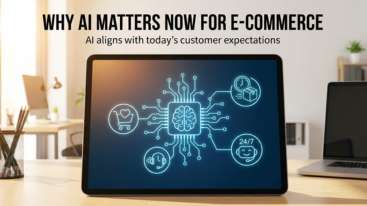
The rise of AI in e-commerce is not a simple trend; it reflects how customers behave and what they expect. Shoppers want relevant products fast support, and smooth experiences from beginning to end. When a store provides this level of service it strengthens trust and builds long-term relationships. Ai supports this by improving decisions, simplifying daily tasks, and giving entrepreneurs more time to focus on growth instead of repetitive work.
Personalization and automation transform store performance
One major advantage of AI is personalization. Customers appreciate seeing products that match their preferences, style, and habits. When an online store truly understands what a shopper wants, the buying decision becomes easier, engagement increases, and repeat visits grow.
Automation brings an equally strong benefit. Running an online store requires managing many tasks. Ai reduces manual work by updating listings, managing stock alerts, and sending essential notifications. This creates consistency, reveals clear behavior patterns, and helps entrepreneurs make confident decisions based on accurate insights.
Smarter interactions drive sustainable e-commerce growth
AI strengthens customer relationships through targeted messages and timely support. Predicting when a customer might need help or when they are ready to buy allows the store to respond naturally and efficiently. This improves satisfaction and increases sales without relying on aggressive tactics. These advantages explain why AI has become essential in e-commerce: it aligns with expectations enhances operations, and supports steady, long-term business growth.
Top AI use cases in e-commerce

AI supports daily operations for smoother store performance
Many entrepreneurs believe growth comes from big budgets or aggressive advertising, but real progress often starts with refining daily operations. Smart automation handles tasks that consume time and energy while improving how customers interact with the brand. These gains appear in smoother workflows and a more fluid buying journey.
Personalization and smarter search boost conversions
One of the strongest benefits is the steady increase in conversion rates. When a store understands customer preferences and adapts in real time, the buying path becomes shorter and more intuitive. Tools that enhance product suggestions and search functions guide shoppers toward relevant items with accuracy. This reflects the principles found in the page on personalization and customer experience, which shows how tailored interactions build trust and encourage purchases.
Automation strengthens productivity and customer support
Operational workflow improves significantly when repetitive tasks are automated. Scheduling promotions, updating catalogs, and tracking performance often take hours, especially for small stores. Smart systems speed up these processes and reduce errors, freeing entrepreneurs to focus on strategy and creativity.
Customer support also benefits. Many customers leave when their questions are unanswered at the right moment. Instant-response tools reduce frustration and encourage engagement, creating a more reliable experience. This aligns with the concepts discussed in the satellite on customer support optimization, which highlights how fluid communication increases satisfaction.
Smarter stock, better marketing, and faster adaptation

Stock management becomes more predictable thanks to systems that detect demand patterns. This prevents stockouts and overstock situations, improves cash flow, and keeps the catalog balanced.
Marketing performance also increases when analysis tools identify target segments and reveal which campaigns truly work. This leads to healthier spending and better returns.
Together, these improvements help businesses adapt quickly to digital shifts. When operations run smoothly and the customer experience feels personal, loyalty grows naturally, and long-term growth becomes more stable.
AI search in e-commerce: boosting discovery
Smarter search experiences that improve every step of the customer journey
Many online business owners feel stuck when growth slows down. They try new ads, update product photos, or run promotions, yet results remain inconsistent. What they often overlook is that real, sustainable progress doesn’t come from doing more—it comes from doing better. When a store runs smoothly, responds quickly, and adapts intelligently to each visitor, performance rises naturally.
Smart automation plays a key role in this shift. It reduces manual workload, enhances the shopping journey, and helps transform everyday operations into a seamless, efficient system. This is where conversion rates start to climb, customer satisfaction improves, and teams gain more time to focus on meaningful tasks.
Intelligent operations that drive sustainable growth
Stock management becomes more predictable with tools that detect demand patterns, helping prevent stockouts and overstock situations. This leads to better cash flow and a balanced catalog.
Marketing performance also increases when intelligent analysis identifies the right customer segments and reveals which campaigns deliver real results. This creates more efficient spending and stronger returns.
Together, these improvements help businesses adapt faster to a changing digital environment. When operations run smoothly and interactions feel personal, customer loyalty grows naturally. Growth becomes steadier and less dependent on unpredictable traffic fluctuations. For a practical view of how these advantages translate into real actions, the page on practical applications in online stores offers clear examples you can explore.
Ai chatbots for e-commerce customer support

Personalization creates a smoother and more human shopping experience
As online commerce grows, shoppers expect a seamless journey from product discovery to checkout. Small details shape how they feel about a store, and personalization is often what creates comfort. When a store adapts to each visitor, the experience feels more human and less mechanical.
Product suggestions become more relevant when they rely on browsing history, past purchases, and on-site behavior. This increases exploration and buying confidence, as explained in the page on personalized customer experience. Navigation also improves through tailored shortcuts or curated collections that match user interests, reducing friction and encouraging natural browsing.
Communication follows the same logic. Emails and messages that reflect where a customer is in their buying journey feel more thoughtful. First-time visitors receive guidance, while returning buyers get suggestions based on previous orders. This clarity and personal attention build trust and reinforce loyalty.
Personalized interactions boost conversions, reduce friction, and strengthen loyalty
Personalization also influences key moments such as checkout. Showing the right payment options or shipping methods based on location or past behavior reduces hesitation and speeds up the final step. This helps prevent cart abandonment and enhances the sense of being understood.
Customer support benefits in the same way. Quick, tailored responses help shoppers stay engaged and eliminate doubt, reinforcing reliability. This aligns with the ideas shared in the page on support improvement, which highlights the impact of small interactions on satisfaction.
Even after the purchase, personalized follow-ups—such as care instructions or complementary product suggestions—maintain the relationship. These thoughtful touches encourage repeat visits and increase the chances of referrals.
Ultimately, personalization is not about complexity. It is about observing how people navigate your store and adapting the experience to their needs. When applied intentionally, it creates a stronger, more intuitive shopping environment.
AI inventory management for e-commerce

Smarter demand forecasting creates stability and reduces guesswork
Running an online store becomes easier when stock levels are predictable and logistics run smoothly. Many entrepreneurs struggle with inventory, fearing stockouts or excess items that slow cash flow. Demand forecasting helps remove uncertainty. By analyzing purchasing trends, a store can anticipate seasonal spikes, slow periods, and sudden shifts. This builds confidence in ordering decisions and aligns with the ideas explored in the satellite on inventory and supply chain optimization.
Efficient stock rotation follows naturally. Knowing which items sell quickly makes restocking easier and prevents last-minute shortages. Customers trust stores that remain consistent and rarely run out of best sellers.
Better stock movement, supplier coordination, and warehouse efficiency
A structured approach also improves slow-moving stock. When the system detects products with low interest, you can adjust pricing or run targeted promotions. This clears space for new collections and protects financial stability.
Supply chain coordination strengthens as well. Understanding supplier shipping times and potential delays helps you plan more accurately and avoid unexpected gaps. Reliable delivery times improve customer confidence.
Warehouse organization becomes smoother when incoming stock is arranged based on expected demand. This speeds up the picking process, reduces fulfillment errors, and ensures orders arrive correctly—something customers always notice and appreciate.
Data-driven expansion, fewer Returns, and a more reliable customer experience
Clear inventory insights support product expansion. Instead of fearing overstock, entrepreneurs can test small quantities and scale gradually. This controlled approach protects the budget and encourages steady growth.
Return analysis is another valuable tool. Understanding why items come back—whether due to sizing issues or unclear descriptions—helps refine product pages and reduce future returns.
A stable inventory and supply chain create a better customer journey overall. When products are available, shipping is reliable, and communication is clear, shoppers feel more confident. Once this foundation is strong, the business becomes easier to scale and daily decisions feel far less stressful.
Challenges of AI in e-commerce and how to avoid them
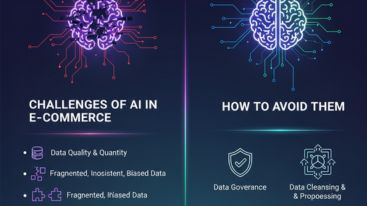
Adaptive storefronts, dynamic pricing, and smarter logistics
The digital market continues to evolve, and online stores follow the same pace. The most impactful changes often come from deeper customer understanding and smoother operations. One major shift is the rise of adaptive storefronts, where pages adjust automatically to browsing habits, past purchases, and on-site behavior. This creates a more personal experience, as described in the satellite on customer experience personalization.
Dynamic pricing is another growing trend. Instead of relying on fixed prices, stores adjust them based on demand patterns, market movements, and product life cycles. This approach helps maintain margins while staying competitive and gives entrepreneurs more confidence in catalog management.
Automation is increasingly shaping logistics. More precise stock monitoring, smarter order routing, and better supplier coordination help avoid delays and create reliable delivery times. Customers value consistency, and the satellite on inventory and supply chain optimization explains how these improvements strengthen everyday operations.
Conversational shopping and predictive customer journeys
Conversational shopping is becoming a key part of the buying experience. Customers appreciate instant guidance when they feel uncertain about a product. Quick answers reduce friction, improve confidence, and decrease abandoned carts—an idea strongly linked to the support enhancement page.
Predictive customer journeys are also expanding. Stores learn from behavioral patterns and adapt communication to each stage. First-time visitors receive simple guidance, while returning buyers access personalized recommendations or early offers. These tailored interactions build trust and support long-term retention.
Post-purchase personalization, sustainability, and long-term growth
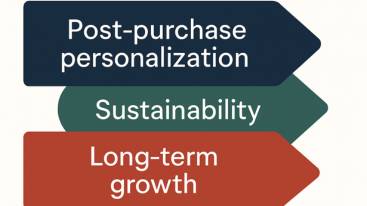
Post-purchase experiences are becoming more thoughtful. Follow-up messages adapt to what customers ordered, offering maintenance tips or complementary items to strengthen the relationship and encourage repeat purchases.
Sustainability is another rising trend. Shoppers increasingly prefer brands that manage resources responsibly. When stores optimize supply chains and reduce waste, they align with customer values, boost their reputation, and attract conscious buyers.
All these developments point toward a more fluid and customer-centered e-commerce environment. Stores that adopt these practices early build a stronger foundation for long-term growth and more stable operations.