
AI ecommerce email automation is one of the highest-ROI retention channels available to Shopify brands in 2026. Yet most US stores run 2 or 3 basic flows and wonder why their retention revenue never compounds. Brands running 7 or more active flows consistently generate more revenue per recipient than those running 3 or fewer.
The problem is rarely the tool. It is the logic behind the flows. Most brands send the same message to every customer, regardless of behavior, purchase history, or predicted lifetime value. That is broadcast email with a trigger, not automation.
This article covers 10 specific email and SMS automations built around behavioral signals, not blast schedules. Each one targets a defined moment in the customer lifecycle. Together, they form a retention engine that runs without adding headcount or budget every quarter.
Before building any of these, understand why the standard approach consistently falls short.
Table of Contents
Why standard email automation ecommerce retention strategies underperform
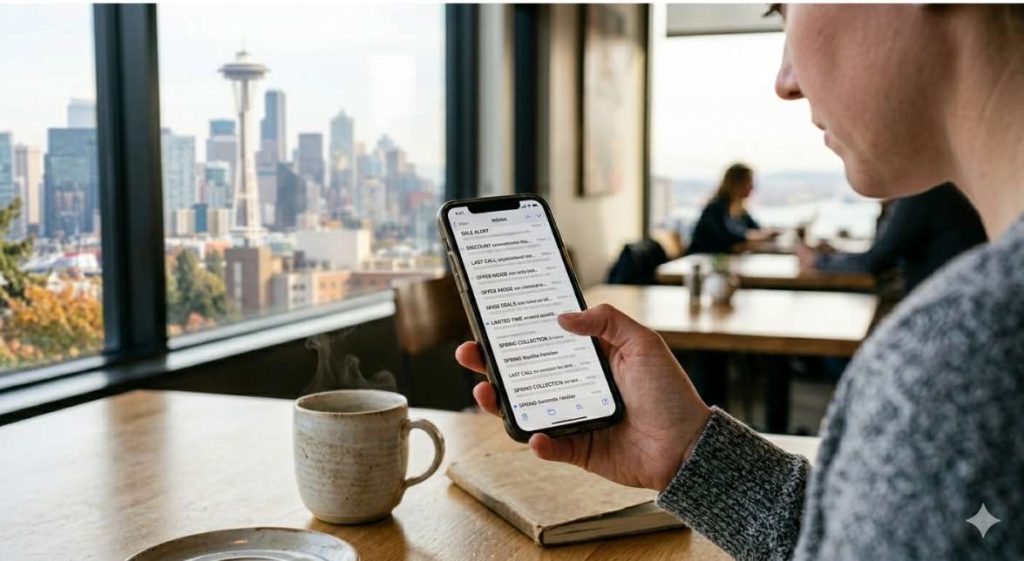
Standard email automation ecommerce retention tactics rely on single-action triggers. A customer buys once, enters a welcome flow, gets a cart abandonment email next time they browse, and receives the same promotional calendar as everyone else. There is no logic connecting these actions to individual behavior.
The practical result is that a first-time buyer who spent $45 on a candle set gets the same flow as a repeat customer who spent $480 on a skincare bundle. Same timing. Same content. Same weak result. This is a segmentation problem, not a platform problem.
AI-driven flows operate differently. They trigger on patterns: what a customer browsed, which products they returned to, how many days since their last order, and what their predicted lifetime value looks like based on cohort data. The shift from rule-based to behavior-based logic is where retention revenue is actually built.
One distinction matters before you build anything. The goal of retention automation is not to replace human judgment. It is to apply consistent, data-informed logic at scale. You configure the rules once. The system executes them for every customer, every day, without manual input.
Key insight: Email automation ecommerce retention strategies fail when they prioritize sending volume over sending relevance. The highest-performing brands send fewer emails to better-segmented audiences, not more emails to everyone.
A Portland, Oregon home goods brand ran 4 standard Klaviyo flows for 18 months. Average open rates stayed at 22%. After switching to behavior-based segmentation, 3 new automations added $14,000 in monthly revenue within 60 days. Open rates averaged 41%.
3 Shopify email automation 2026 flows for the first 30 days
The first 30 days after acquisition decide whether a customer buys again. Most brands waste this window with a generic thank-you email and one promotional follow-up. Shopify email automation 2026 means using behavioral data to personalize every touchpoint based on acquisition source, browsing history, and purchase context.
1. AI-personalized welcome series

The welcome series generates more revenue per active flow than any other automation in most ecommerce stacks. Set it up with 3 to 5 emails delivered over 10 days. The key variable is the conditional split based on acquisition source. A customer from a Facebook ad gets a different first email than one who found you through an organic search result.
In Klaviyo, use the predictive analytics layer to surface the 3 most relevant products for each new subscriber. Send the first email within 10 minutes of signup. The second email, sent on day 3, delivers category-specific social proof. The third, on day 7, introduces your brand’s core differentiator and includes a direct CTA to the most likely first purchase.
Conditional logic inside the welcome series separates a useful flow from a generic one. Do not send the same 5 emails to a customer who has already purchased and one who has not. Split the flow immediately after the signup trigger based on purchase status.
2. Post-purchase education sequence
Customers who know how to use a product correctly are more likely to reorder it. A 3-email education sequence starting 2 days after delivery reduces return rates and increases 90-day repeat purchase rates. Email 1 is a short how-to guide. Email 2 is a curated FAQ for the product category. Email 3 includes a soft recommendation for a complementary item, framed as a natural next step, not a promotion.
Keep each message focused on one idea. Do not bundle multiple products, offers, and content into a single email. The goal is to make the customer feel confident in their purchase. That confidence is the psychological precondition for a second order.
3. First-30-day activation nudge
If a customer has not returned to your store within 21 days of their first order, trigger a short SMS or single-question email: “How is [product name] working for you?” The response behavior, whether they click, reply, or ignore, feeds your segmentation model directly.
Customers who engage move into the loyalty progression flow. Customers who do not engage after 48 hours enter the early win-back sequence. This is one of the most efficient flows to build. It costs almost nothing to run and produces a clear behavioral signal for every customer it touches.
Key insight: Shopify email automation 2026 is built on sequential logic, not sequential blasts. Each message should qualify the customer for the next action in the flow, not simply deliver more content.
A Dallas, Texas supplement brand built a 5-email onboarding flow tied to product usage milestones. Open rates reached 54%. The 30-day repeat purchase rate went from 11% to 19% within 90 days of launch.
Customer retention email sequences for repeat purchases
After the first 30 days, the retention goal shifts. You are no longer onboarding. You are reinforcing the purchase habit. Customer retention email sequences at this stage target purchase frequency, average order value, and loyalty tier progression. They run automatically without manual input, as long as the underlying logic is correctly configured.
4. Predictive replenishment reminder
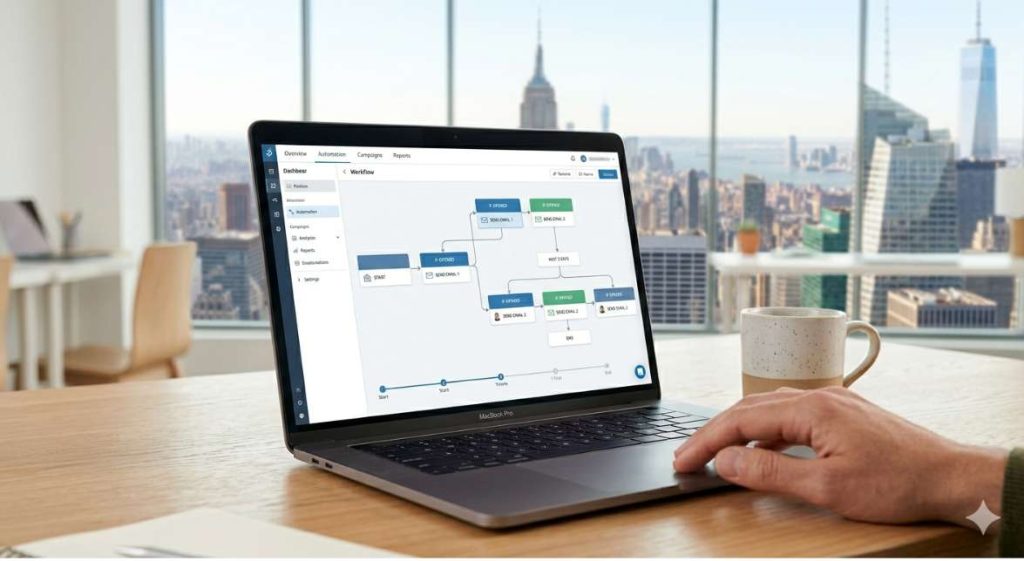
For brands that sell consumables, skincare products, supplements, or household supplies, the replenishment reminder is the highest-ROI automation available. Both Klaviyo and Postscript offer predictive send-time features. These calculate the optimal reorder trigger based on average product consumption data from your customer base.
For a product with a 30-day supply cycle, set the trigger on day 22. Present 3 options in the email: reorder the same product, upgrade to a larger size, or add a complementary item. The add-to-cart rate on well-timed replenishment emails is significantly higher than standard promotional emails sent to the same segment.
The replenishment logic scales across product lines. Once you have average consumption data for 5 or more SKUs, you can build category-level flows that run in parallel without triggering conflicts or duplicate messages.
5. VIP upgrade trigger
When a customer crosses a defined spending threshold, for instance $300 in lifetime value or 3 completed orders within 90 days, trigger an automatic VIP status upgrade email. This is not a loyalty points announcement. It is a recognition moment. The email should feel personal and exclusive, not programmatic.
Offer 1 concrete benefit with the upgrade: early access to new product launches, free shipping on all future orders, or a one-time priority discount on their next purchase. Do not stack multiple benefits into the same email. One clear reward is more motivating than 5 vague perks.
Customers who receive well-timed VIP recognition typically generate significantly more revenue than the same segment receiving a standard promotional email within the following 30 days.
6. Win-back campaign for lapsed customers
Define your lapsed threshold based on actual purchase frequency data, not a generic calendar interval. For a brand with a 45-day average repeat purchase cycle, a customer inactive for 90 days is at risk. Trigger a 3-part sequence: a reminder of their last purchase, a relevant product recommendation based on purchase history, and a final message with a time-limited incentive for customers who have not responded.
After the 3rd message, remove non-responders from your active automation flows. They can remain on your list for periodic broadcast campaigns, but removing them from behavior-triggered flows keeps your segmentation clean and your sender reputation intact. List hygiene is as important as building the flows themselves.
Key insight: Customer retention email sequences produce consistent results only when they are timed to each customer’s individual purchase rhythm, not to a generic 30-60-90 day schedule applied to your entire list.
The Miami Shopify Plus cosmetics brand deployed predictive replenishment triggers across 4 product lines with a 15,000-customer database. Repeat purchase behavior increased by 31% in 90 days. Revenue from automated flows grew from $8,000 to $19,000 per month, managed by a 2-person team.
SMS marketing ecommerce AI: 2 flows with the highest conversion rates
SMS marketing ecommerce AI flows deliver higher open rates than email and strong click-through rates on behavior-triggered messages. Most ecommerce brands waste this channel by sending weekly discount blasts on a fixed schedule. AI-powered SMS flows are different. They trigger on specific customer behavior and deliver a short, relevant message at the moment of highest intent.
7. Browse abandonment SMS with product context
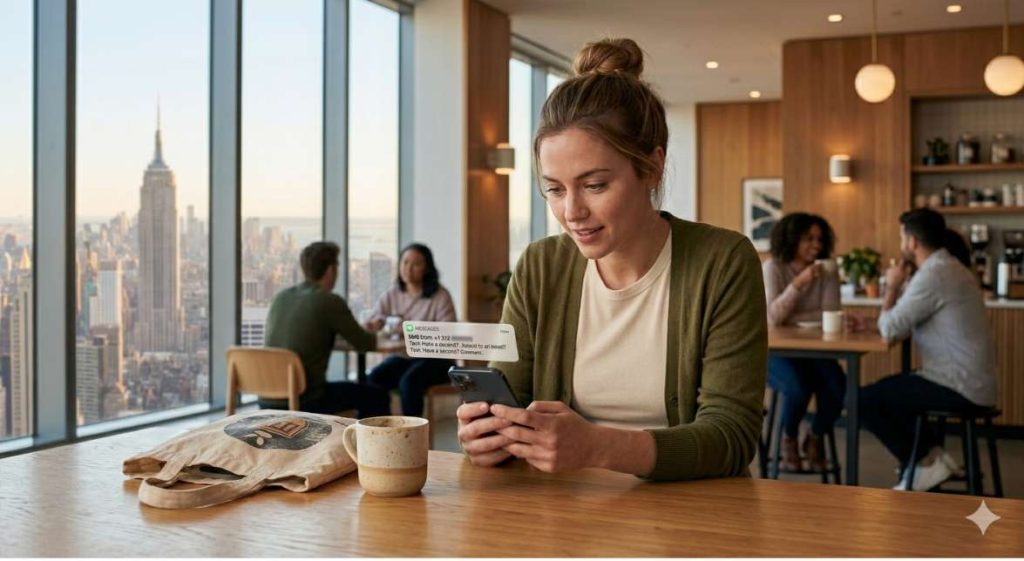
A customer who spends more than 3 minutes on a specific product page without adding to cart is showing strong purchase intent. Trigger an SMS within 2 hours. The message should reference the specific product the customer viewed, not a generic “you left something behind” line.
Use Attentive or Postscript to pull the product name and its primary benefit dynamically into the message body. Keep the total character count under 160. Include a direct link to the product page, not the homepage or a collection page. Conversion rates on product-specific browse abandonment SMS are consistently higher than generic outreach in cosmetics, apparel, and wellness categories.
Do not send browse abandonment SMS and email simultaneously on the same trigger. Choose one channel per contact based on their engagement history. Customers with low email open rates and active SMS opt-ins get the text. Consistent email openers get the email.
8. Post-purchase SMS check-in and upsell
Send a single SMS 5 days after confirmed delivery. Ask one direct question: “How is [product name] working for you?” Customers who respond positively receive a soft recommendation for a complementary product, framed as a natural upgrade or addition. Customers who respond negatively are routed immediately into your customer support flow.
This message functions as 2 things simultaneously: a customer service touchpoint and a behavioral signal. Positive responders are flagged as high-LTV candidates and added to the VIP progression sequence. Non-responders who bought once and went silent enter the win-back flow on day 60.
Key insight: SMS marketing ecommerce AI succeeds when every message triggers on a specific behavior and delivers a response relevant to that behavior. Generic SMS blasts destroy deliverability and accelerate list decay faster than any other retention channel.
A Seattle, Washington activewear brand replaced weekly promotional SMS with 3 behavior-triggered flows using Attentive. The unsubscribe rate dropped from 4.2% to 0.9%. Monthly SMS-attributed revenue increased by $7,500 within 45 days, with no additional list growth or ad spend.
2 AI automated email campaigns ecommerce brands overlook: recovery and churn prevention
Most Shopify stacks include a basic abandoned cart flow. But most brands treat cart recovery as a single email and miss the deeper opportunity. AI automated email campaigns ecommerce brands should prioritize 2 underused flows: AI-driven cart recovery with dynamic product recommendations, and predictive churn prevention triggered before the customer goes fully silent.
9. Abandoned cart with AI product recommendations
A standard abandoned cart email shows the abandoned item with a link back to the cart. An AI-upgraded version shows the abandoned item plus 2 to 3 complementary products. These products are selected based on the customer’s purchase and browse history. Use Klaviyo’s product recommendation block or a Shopify AI recommendation integration to populate them dynamically.
Structure the sequence as 3 emails. Send the first 1 hour after abandonment, with no discount. Send the second at 24 hours, focused on social proof: reviews, ratings, and a simple FAQ for the abandoned product. Send the third at 72 hours with a small incentive. Apply it only if the cart value exceeds $75. Free shipping or a $10 credit works well at this stage.
Do not offer a discount on the first email. Customers who see an incentive immediately learn to abandon carts on purpose to trigger the offer. That pattern reduces your margins on every future transaction from that segment.
10. Predictive churn prevention sequence
This is the most advanced flow on this list and the one most brands skip. It triggers before the customer goes silent, not after. Use your platform’s purchase frequency data to calculate the expected next purchase date for each active customer. When a customer passes that date by 14 days without activity, trigger a targeted 3-part sequence.
The first message is a check-in with no promotion. It references the customer’s last purchase and asks a simple question. The second message highlights relevant new arrivals or category updates based on past order data. The third, sent only to customers who have not responded after 7 days, offers a time-limited incentive.
The goal is to catch the customer while they still have a reason to come back, before they have made the passive decision to shop elsewhere.
Key insight: AI automated email campaigns ecommerce brands build for churn prevention should trigger 14 days before the expected churn point, not 30 days after. Most of the retention window is already closed by the time a standard win-back campaign launches.
A Chicago, Illinois pet supply brand implemented a predictive churn model in Klaviyo using 90 days of purchase history. By triggering re-engagement 14 days before the expected churn point instead of 30 days after the actual lapse, they recovered 23% more at-risk customers per quarter with no increase in promotional spend.
How to build AI ecommerce email automation on Shopify without a developer

You do not need an agency or a developer to build these 10 automations. The tools available in 2026 make this accessible for a 2-person team with a $300 to $500 monthly budget. Build order matters more than build speed.
The standard Shopify retention stack:
- Klaviyo for email and basic SMS: $150 to $400/month for brands under $100,000/month in revenue
- Attentive or Postscript for advanced SMS flows: $100 to $200/month
- Shopify’s native AI recommendation engine: included with Shopify Plus, available via app on standard Shopify plans
Build the 3 highest-impact flows first: the welcome series (automation 1), the abandoned cart recovery (automation 9), and the predictive replenishment reminder (automation 4). For most Shopify brands under $1 million in annual revenue, these 3 flows account for the majority of total automation-attributed revenue.
Add the SMS flows (automations 7 and 8) in month 2, once you have enough purchase and browse event data to build meaningful segments. Add the predictive churn prevention flow (automation 10) in month 3, after accumulating 90 days of purchase frequency data for your customer base.
Run all tools from a single customer data source. Do not manage Klaviyo and Postscript from separate lists. Use Shopify as the source of truth and sync all customer events into your email platform. Fragmented data produces fragmented segmentation. Fragmented segmentation produces irrelevant messages that erode list quality over time.
For the analytics layer that powers these triggers, including which customer signals to prioritize and how to read churn probability scores, see our guide on AI analytics for ecommerce revenue decisions.
Key insight: The biggest implementation mistake is building all 10 flows before any of them are optimized. A well-configured welcome series and abandoned cart flow outperform 10 poorly built automations every time. Build 3 first, measure for 30 days, then expand.
A Nashville, Tennessee candle brand built their first 3 Klaviyo flows in a single afternoon using pre-built templates. Those 3 flows generated $6,200 in additional monthly revenue within 60 days on a $180/month Klaviyo plan, with no additional ad spend or team resources.
AI ecommerce email automation is not about sending more messages. It is about sending the right message to the right customer at the moment they are most likely to act. The 10 flows above cover the full retention lifecycle: onboarding, repeat purchase, loyalty recognition, SMS conversion, cart recovery, and churn prevention.
Start with 3 flows. Optimize them for 30 days. Then add the next layer. A retention system built this way compounds over time without requiring proportional increases in budget or team size.
3 steps to start today:
- Audit your current Klaviyo or email platform for active flows. Identify which of the 10 above are missing from your stack.
- Build your welcome series and abandoned cart flow first if they are not already live and optimized.
- Add predictive replenishment within 60 days, once you have baseline purchase frequency data for your top 5 SKUs.
Retention is a system, not a campaign. For a complete framework on how email and SMS automation fits into a broader customer lifetime value strategy, read our guide on AI-driven customer retention systems for ecommerce.