

Before subscribing to another AI tool, run this 5-question framework. Built from testing 20+ tools with US content teams. Discover if an AI tool is worth paying for.
Table of Contents
Is an AI tool worth paying for? The real problem in 2026
In the booming AI landscape of 2026, it feels like a new AI tool pops up every other day, promising to revolutionize your content, SEO, or workflow. The temptation to subscribe to every shiny new platform is real, especially for US marketers, bloggers, and freelancers eager to gain an edge. But here’s the harsh truth: most of these subscriptions become expensive shelfware, draining your budget without delivering tangible ROI. The critical question isn’t what AI tool to use, but rather, is an AI tool worth paying for?
As an AI Content Creation Specialist and Digital Marketing Writer, I’ve personally tested over 20 AI tools across various categories from writing assistants to SEO optimizers for the competitive US market. My experience has shown me that the difference between a game-changing investment and a costly mistake lies in a systematic evaluation process. I’ve managed content workflows where we successfully integrated AI to cut production time by 40%, but I’ve also seen teams waste thousands on tools that never left the trial phase. This framework is born from that direct, hands-on experience, ensuring you make data-driven decisions based on real operational results, not marketing promises.
This guide will equip you with a proven 5-question framework to cut through the hype and determine if an AI tool is truly worth your hard-earned money. If you’re looking for a broader overview of the AI content landscape, including how these tools fit into a comprehensive strategy, check out my pillar guide on the best AI tools for content creation in 2026.
Is an AI tool worth paying for? Quick answer
- Yes → if it solves a real problem and delivers ROI
- No → if it adds complexity without saving time
- Best approach → test before committing
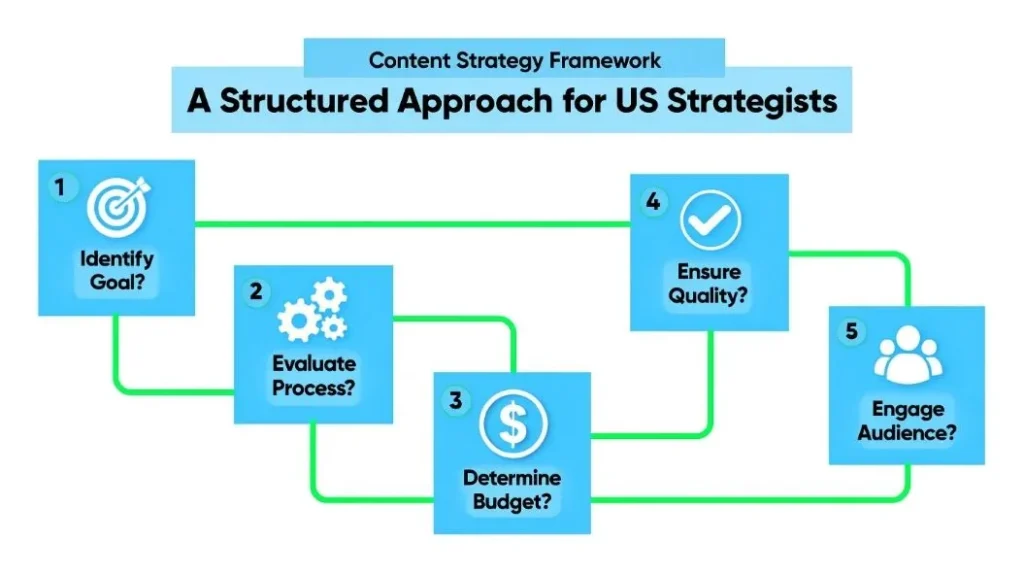
Is an AI tool worth paying for? The 5-question framework
Before you hit that “subscribe” button on another AI tool, run it through these five critical questions. This framework is designed to align the tool’s capabilities with your specific needs and business goals.
Question 1: How do I know if an AI tool is worth paying for?
Many AI tools offer a myriad of features, but the most valuable ones address a clear, existing pain point in your workflow. Don’t buy a tool because it’s cool; buy it because it solves a problem that costs you time, money, or effort. In my own workflow, I only pay for tools that solve a “Level 1” problem something that happens daily and is a major bottleneck.
- Example: If you spend hours brainstorming blog post ideas, an AI brainstorming tool might be worth it. If you struggle with generating unique meta descriptions, an AI SEO tool could be a game-changer.
- Action: Clearly define the top 1-3 problems you need an AI tool to solve. If the tool doesn’t directly address these, reconsider.
Question 2: Does it integrate seamlessly with your existing workflow?
An AI tool, no matter how powerful, can become a bottleneck if it doesn’t fit into your current ecosystem. Look for tools that offer integrations with your existing platforms (e.g., CMS, project management, other AI tools) or have a minimal learning curve. I’ve seen great tools fail simply because they required too many “tab-switches” to be efficient.
- Example: If you use Surfer SEO for optimization, an AI writing tool that integrates directly with it (like Jasper AI) will be more valuable than one that requires constant copy-pasting. For a deeper dive into how different tools compare, check out my analysis of Surfer SEO vs Frase for AI content optimization.
- Action: Map out your current content workflow. Identify where the new AI tool would fit and assess potential friction points. Is this AI tool worth paying for if it disrupts more than it helps?
Question 3: Does it offer a clear roi (return on investment)?
This is where the rubber meets the road. Can you quantify the benefits of the AI tool? This could be in terms of time saved, increased content output, improved SEO rankings, higher conversion rates, or reduced outsourcing costs. When I evaluate tools for US content teams, we look for a minimum 3x return on the subscription cost in terms of labor hours saved.
- Example: If an AI tool costs $50/month but saves you 10 hours of work (valued at $50/hour), that’s a clear $450/month ROI.
- Action: Calculate the potential time savings or revenue increase the tool could generate. Compare this to its subscription cost. If the numbers don’t add up, is this AI tool worth paying for?
Question 4: Is the output quality consistently high (and editable)?
Generic, repetitive, or factually incorrect AI output requires more editing than writing from scratch, negating any time-saving benefits. Test the tool extensively during a free trial to assess the quality of its output for your specific use cases. I always run a “stress test” with a complex topic to see if the AI can handle nuance or if it just hallucinates. For those exploring free options, my guide on free AI writing tools that actually work in 2026 provides valuable insights into quality expectations.
- Example: Some tools excel at short-form copy, while others are better for long-form articles. Ensure the tool performs well for the tasks you need it for most.
- Action: Conduct real-world tests. Generate content for your actual projects. How much editing is required? Does it maintain your brand voice? This is crucial when deciding if an AI tool is worth paying for.
Question 5: Does it have a strong community and support system?
Even the best tools can present challenges. A vibrant user community, responsive customer support, and comprehensive documentation can be invaluable for troubleshooting, learning best practices, and getting the most out of your investment. In 2026, I prioritize tools that have active developer support and regular feature updates, as the tech moves too fast for stagnant platforms.
- Example: Active Facebook groups, detailed knowledge bases, and quick support response times indicate a company that cares about its users’ success.
- Action: Check online reviews, forums, and the company’s support channels. A strong support system can significantly enhance the value of an AI tool.
Is an AI tool worth paying for? Real use cases
Let’s consider how this framework applies to common AI tool decisions.
scenario 1: Choosing between Jasper AI and Copy.ai
When comparing tools like Jasper AI vs Copy.ai blog writing 2026, this framework helps clarify the decision. If your pain point is creative block and deep SEO integration, Jasper AI might be your answer (Question 1 & 2). If speed and consistent brand voice for high-volume content are key, Copy.ai could offer a better ROI (Question 3 & 4). My detailed comparison on Jasper AI vs Copy.ai for Blog Writing: Honest 2026 Comparison can provide more insights.
scenario 2: Deciding on an SEO optimization tool
For tools like Surfer SEO vs Frase content optimization 2026, the framework guides you. If granular SERP analysis and ranking impact are your primary problems, Surfer SEO offers a clear ROI despite a steeper learning curve (Question 1, 2, 3). If an integrated workflow and ease of use are more critical, Frase might be a better fit (Question 2, 4). Explore my comparison of Surfer SEO vs Frase for AI Content Optimization: Which Ranks Better? for a deeper dive.

Is an AI tool worth paying for? How to make the right decision
In 2026, the question “is AI tool worth paying for?” demands a strategic answer. By applying this 5-question framework, you move beyond impulse purchases and make data-driven decisions that genuinely benefit your content creation and marketing efforts.
The best AI tool isn’t necessarily the most expensive or the one with the most features. It’s the one that solves your specific problems, integrates seamlessly, offers a clear ROI, delivers consistent quality, and provides reliable support. Use this framework to build a lean, efficient, and highly effective AI tech stack.
For a comprehensive overview of the entire AI content creation ecosystem, including how these individual tools contribute to a larger strategy, refer to my pillar guide on the best AI tools for content creation in 2026.
Start building your strategic AI stack today
Don’t wait for the next shiny tool to distract you. Take the framework you’ve learned today and apply it to the very next AI tool you consider. Start by auditing your current subscriptions you might find that some of them aren’t delivering the ROI you thought they were. By being a strategic investor in your tech, you ensure that AI remains a powerful multiplier for your business, not a drain on your resources.
is an AI tool worth paying for? Final verdict
Q: Should I always choose a paid AI tool over a free one?
A: Not necessarily. Free AI tools can be highly effective for specific tasks, especially for lean operations. Use the 5-question framework to determine if a paid tool offers sufficient additional value to justify its cost. My guide on Free AI Writing Tools That Actually Work in 2026 (No Paid Plan Needed) provides excellent free options.
Q: How often should I re-evaluate my AI tool subscriptions?
A: The AI landscape evolves rapidly. It’s advisable to re-evaluate your subscriptions annually or whenever a significant change occurs in your workflow or the tool’s features. This ensures your AI tool is worth paying for continuously.
Q: What if an AI tool only partially meets my needs?
A: If a tool only partially meets your needs, consider if the unmet needs are critical. You might need to combine it with another tool, or it might be a sign that the tool isn’t the right fit for your core problems. Always ask: is this AI tool worth paying for given its limitations?
About the Author:
El Habib is a digital marketing writer and AI content specialist with a strong focus on practical workflows, content automation, and AI-powered creativity. He helps creators, entrepreneurs, and marketers produce high-quality content faster by combining smart tools, clear processes, and efficient prompt engineering.
With a background in marketing and a deep interest in artificial intelligence, he writes guides, tutorials, and in-depth reviews that make AI accessible to everyone especially beginners who want real results, not technical jargon.
El Habib’s mission is simple: to show how AI can save time, boost creativity, and help people scale their online presence without sacrificing authenticity.