
Artificial intelligence is fundamentally reshaping how american organizations approach time management and productivity, moving beyond traditional hour-counting toward sophisticated systems that optimize outcomes, support human wellbeing, and accelerate professional development, this comprehensive guide explores the three core pillars of modern ai-driven time management and provides actionable frameworks for implementation.
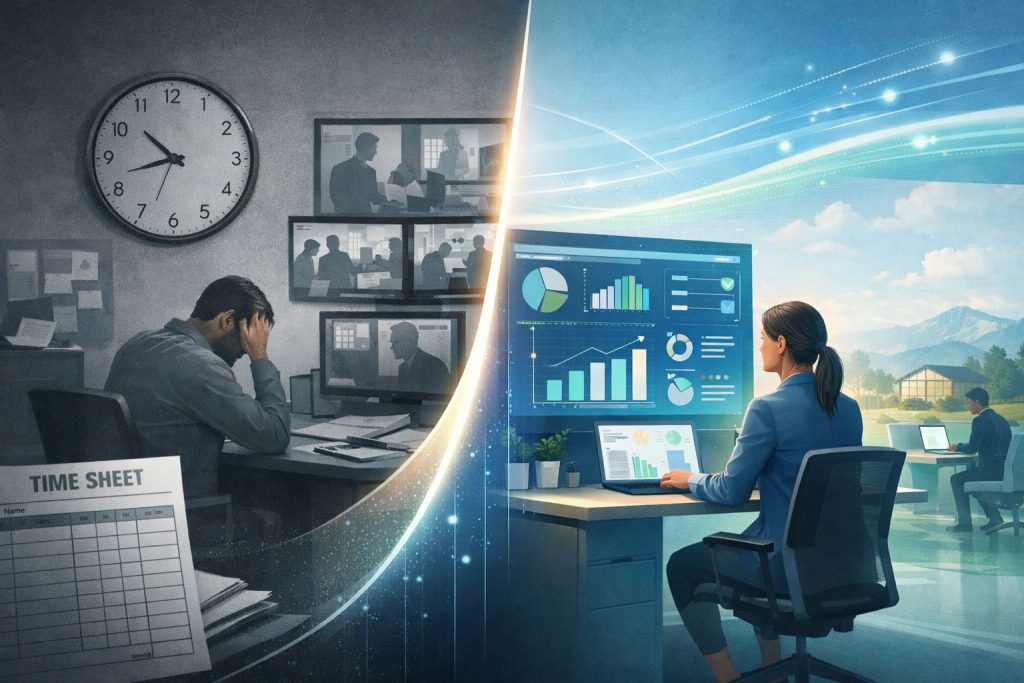
From time-based management to outcome-based performance
The transformation from time-based to outcome-based management represents a paradigm shift in how organizations measure and reward performance, for decades, businesses equated time spent with value created, tracking hours worked as the primary productivity metric, this approach made sense in manufacturing environments where output correlated directly with labor hours, but knowledge work operates under entirely different dynamics.
Software developers, strategists, researchers, and other knowledge workers produce value through insight and problem-solving rather than time at a desk, a brilliant solution conceived in minutes creates more value than days of unproductive grinding, yet traditional systems penalize efficiency and reward time consumption, creating perverse incentives that harm both employees and organizations.
Intelligent performance frameworks and value creation
Intelligent performance frameworks break this dysfunctional pattern by focusing on deliverables, quality, and strategic impact, analytics platforms track project completion rates, stakeholder satisfaction, innovation metrics, and business outcomes rather than simple time inputs, managers gain visibility into what matters while employees enjoy autonomy over how they work.
The shift requires careful metric design tailored to different roles and functions, sales teams might focus on revenue generation and client retention rates, creative departments emphasize campaign effectiveness and innovation velocity, technical teams prioritize code quality and system reliability, ai helps customize these frameworks across diverse organizational contexts.
Real-time dashboards provide transparency that builds trust and accountability, team members can self-assess their contribution to organizational goals without feeling micromanaged, managers gain strategic oversight that enables coaching rather than policing, the result is increased engagement alongside improved business results.
Companies implementing outcome-based frameworks report substantial benefits, employee satisfaction increases as workers feel trusted and valued for results rather than face time, top talent stays longer when judged on meaningful contributions, business metrics improve as teams focus on value creation over activity theater.
Challenges and change management in outcome-based systems
The transition from traditional to intelligent measurement faces predictable challenges, middle managers accustomed to evaluating presence must develop new coaching and goal-setting skills, employees conditioned to clock-watching need support developing self-direction capabilities, organizational culture requires conscious evolution toward trust-based management.
Successful implementations typically begin with pilot programs in departments with clear deliverables and supportive leadership, early wins build momentum for broader rollout while identifying necessary adjustments before company-wide deployment, rushing implementation risks employee resistance while moving too slowly allows competitors to gain talent and efficiency advantages.
Technology selection matters less than thoughtful planning and change management, numerous vendors offer sophisticated platforms, but success depends primarily on clearly defined objectives, aligned stakeholder expectations, and cultural readiness for transformation, expensive tools generate noise rather than insight when deployed without strategic foundation.
Intelligent workload distribution in distributed teams

The second pillar of modern time management addresses workload distribution across distributed teams, traditional approaches assign tasks based on availability and hierarchy, often overloading high performers while underutilizing struggling colleagues, this creates resentment, burnout, and inefficiency that compounds over time.
Remote work has exposed the severe limitations of proximity-based workload management, when teams operate across time zones and home offices, managers lose ambient awareness of who’s overwhelmed versus underutilized, problems manifest only through missed deadlines or burnout rather than early warning signals.
AI-driven workload analysis and early intervention
Intelligent workload systems analyze multiple factors human managers might overlook, task complexity assessments account for cognitive load beyond simple time estimates, individual capacity calculations consider current commitments, skill levels, and historical performance patterns, dependency mapping reveals how delays cascade through interconnected projects.
Early warning indicators enable proactive intervention before crises develop, when systems detect concentration of high-stress tasks on specific individuals, they recommend reassignment or additional support, meeting density analysis identifies coordination bottlenecks that drain productivity, after-hours activity patterns reveal unsustainable pace before burnout impacts delivery.
Optimizing global and remote collaboration
The technology particularly excels at optimizing globally distributed teams, assignments requiring real-time collaboration get allocated to members with overlapping working hours, independent tasks leverage follow-the-sun workflows to accelerate timelines, communication overhead calculations ensure collaborative projects receive adequate coordination time in workload estimates.
Transparency in workload visibility builds trust within remote teams, when everyone can see distribution patterns, perceptions of unfairness decrease and collaboration improves, team members feel empowered to raise concerns or offer assistance when they spot imbalances, managers make better decisions with comprehensive data about true team capacity.
Ethics, privacy, and governance considerations
Privacy concerns require thoughtful governance as these systems collect detailed behavioral data, employees need assurance that performance information will support their success rather than justify punitive actions, clear policies and ethical frameworks protect individual rights while enabling organizational learning, successful implementations prioritize transparency and consent.
Organizations using intelligent workload distribution report compelling results, employee turnover decreases substantially as burnout prevention improves, project delivery timelines shorten through better resource allocation, team satisfaction scores increase notably as workload equity improves, the investment in these systems pays rapid dividends across multiple performance dimensions.
Customization allows different teams to adopt approaches fitting their specific needs, creative groups might prioritize uninterrupted focus time for deep work, customer-facing roles require rapid response capability, technical teams need concentration blocks for complex problem-solving, flexible frameworks accommodate these varying requirements while maintaining organizational consistency.
The relationship between workload balance and innovation deserves particular attention, teams drowning in reactive firefighting cannot invest energy in strategic initiatives or creative breakthroughs, balanced frameworks preserve space for proactive work alongside operational demands, this pays long-term dividends through improved products, processes, and competitive positioning.
Adaptive learning and professional development
The third pillar addresses learning and professional development through adaptive systems that personalize skill acquisition, traditional corporate training follows one-size-fits-all models that waste advanced learners’ time while leaving beginners struggling, scheduled classroom sessions interrupt productivity to deliver generic content regardless of individual needs.
Personalized and continuous learning systems
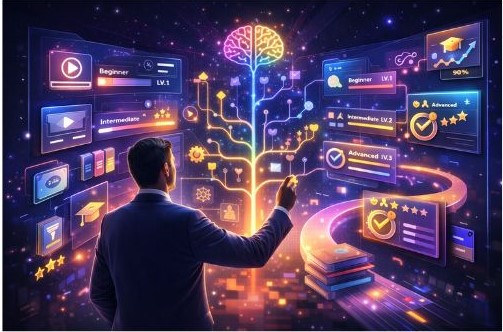
Intelligent learning platforms assess existing knowledge through diagnostic exercises then construct personalized paths addressing specific gaps, this precision eliminates redundant instruction while ensuring foundational concepts receive adequate attention, fast learners accelerate through familiar material while spending more time mastering challenging topics.
Microlearning modules integrate skill development into daily workflows rather than requiring large dedicated training blocks, employees complete focused lessons during natural breaks, maintaining productivity while building capabilities incrementally, this approach respects the reality that concentrated knowledge work leaves limited attention for separate development activities.
Just-in-time delivery provides relevant content exactly when needed for specific tasks or projects, rather than front-loading extensive training that may not be immediately applicable, systems deliver targeted instruction at the point of use, retention rates improve dramatically when learning connects directly to practical application.
Continuous skill assessment identifies emerging gaps before they impact performance, as job requirements evolve or new technologies get adopted, automated recommendations guide employees toward relevant development opportunities, this ongoing approach replaces periodic training events with embedded learning culture that maintains organizational adaptability.
Gamification elements increase engagement without sacrificing rigor, progress tracking and achievement recognition motivate learners while providing organizations visibility into workforce capabilities, collaborative challenges build community around skill development, creating positive peer pressure and knowledge sharing that amplifies individual learning efforts.
Integration with performance management creates clear connections between learning and career advancement, employees understand which skills drive progression within their organization, focusing development efforts on high-value capabilities rather than pursuing credentials with limited applicability, this alignment ensures training investments support both individual growth and organizational needs.
The technology excels at technical skill development where proficiency can be objectively measured, coding, data analysis, software proficiency, and similar domains benefit from automated assessment and targeted practice recommendations, soft skills also improve through simulation-based learning that adapts scenario difficulty based on demonstrated capability.
Cost efficiency improves dramatically compared to traditional classroom instruction or generic online courses, organizations pay only for relevant content delivered to employees who need it, eliminating waste from broad-based programs with low completion and application rates, remote workforces particularly benefit from self-directed systems accommodating diverse schedules and locations.
Social learning components address isolation that sometimes accompanies individualized digital training, peer discussion forums, collaborative projects, and mentor matching create community that enhances both motivation and outcomes, humans remain fundamentally social learners even in technology-mediated environments, successful platforms leverage rather than fight this reality.
Measuring learning effectiveness extends beyond completion metrics to actual performance improvement, connecting training data with work output validates investment and guides curriculum refinement, organizations discover which development activities drive real capability growth versus those that simply generate certificates, this feedback loop continuously improves program relevance and impact.
The economics of adaptive learning strongly favor early adoption, initial platform investment pays back rapidly through reduced turnover, faster time-to-competency, and improved performance, organizations building robust learning infrastructure today position themselves to navigate future market shifts and technological disruptions, those delaying face escalating costs to catch up as talent and capability gaps widen.
Implementing ai-driven time management at scale
Implementing comprehensive ai-driven time management requires coordinated action across these three pillars, outcome-based performance measurement provides the foundation, intelligent workload distribution ensures sustainable execution, adaptive learning builds capability to meet evolving requirements, together they create systems that optimize organizational performance while supporting employee wellbeing and growth.
The transition typically unfolds over considerable time from initial pilots to full deployment, this timeline allows for technology selection, process redesign, change management, and cultural adaptation without overwhelming the organization, rushing implementation risks resistance and failure, moving too slowly risks competitive disadvantage and talent loss.
Leadership commitment determines success more than any other factor, executives must demonstrate courage to make difficult decisions based on performance data even when results challenge conventional wisdom, middle managers need training and support developing new coaching capabilities, employees require reassurance that transparency will support rather than punish them.
Cultural evolution toward trust-based management enables technological capabilities to deliver intended benefits, systems designed to empower employees generate superior results compared to those simply digitizing surveillance and control, organizations that prioritize human-centered design alongside efficiency gains build sustainable competitive advantages.
The most successful implementations view ai-driven time management as ongoing journeys rather than destinations, continuous refinement based on employee feedback and business results keeps systems relevant as organizations grow and markets shift, rigid adherence to initial designs misses opportunities for improvement and risks obsolescence as conditions evolve.
Industry data reveals clear patterns distinguishing successful from struggling implementations, organizations that invest in change management alongside technology see significantly better adoption and outcome metrics, those that engage employees in design decisions reduce resistance and improve system relevance, companies that measure both efficiency and wellbeing create sustainable performance improvements.
The future of ai-driven time management
Looking ahead, the gap between organizations embracing intelligent time management and those clinging to traditional approaches will only widen, competitive pressure for talent, operational efficiency demands, and workforce expectations are forcing this transition, companies moving decisively gain compounding advantages while laggards face mounting costs.
The question facing american businesses is no longer whether to adopt ai-driven time management but how quickly and effectively they can implement these transformative systems, this guide provides the framework and insights needed to navigate that journey successfully, organizations that act decisively position themselves for sustained success in an increasingly competitive and rapidly evolving marketplace.
AI time management trends 2026: traditional vs intelligent systems
the transformation of time management in american organizations
The landscape of time management in american organizations has undergone dramatic transformation over the past five years, moving from rigid clock-watching systems to intelligent, outcome-focused frameworks that prioritize human wellbeing alongside productivity, this comparison reveals how leading companies are adopting ai-driven approaches while traditional methods struggle to meet modern workforce expectations.
Traditional time management systems: limits and growing resistance
Traditional time management systems built around hourly tracking and physical presence are increasingly incompatible with remote work realities, employees resent being monitored for hours logged rather than value created, managers waste energy policing attendance instead of coaching performance, organizations lose top talent to competitors offering more flexible, trust-based arrangements.
Intelligent time management systems: outcome-focused alternatives
In contrast, ai-powered time management platforms analyze work patterns to optimize productivity without micromanagement, these systems track outcomes and deliverables rather than keystrokes and screen time, creating accountability structures that respect employee autonomy while maintaining organizational visibility into progress and performance.
The shift from input-based to output-based measurement
The shift from input-based to output-based measurement represents the most significant trend reshaping american workplace culture, companies like tech giants and innovative startups have proven that focusing on results rather than hours worked increases both employee satisfaction and business outcomes, traditional metrics like time-in-seat and overtime hours are being replaced by project completion rates, quality scores, and strategic impact assessments.
Workload distribution: traditional allocation vs intelligent balancing
Workload distribution presents another area where traditional and intelligent approaches diverge dramatically, old-school managers assign tasks based on availability and hierarchy, often overloading high performers while underutilizing struggling team members, this creates resentment, burnout, and inefficiency that compounds over time.
Ai-enabled workload balancing and burnout prevention
Ai-enabled workload balancing considers cognitive load, skill level, current commitments, and individual capacity when suggesting task allocation, these systems detect early warning signs of burnout by analyzing meeting density, response patterns, and work-after-hours indicators, proactive rebalancing prevents crises before they impact delivery schedules or employee wellbeing.
Performance outcomes and organizational results
The data supporting this transition is compelling, organizations using intelligent workload distribution report substantial reduction in employee turnover, marked improvement in project delivery timelines, and significant increases in team satisfaction scores, traditional approaches cannot compete with these results, leading to accelerating adoption of ai-powered alternatives.
Learning and development: traditional training vs adaptive systems
Learning and development represents a third major differentiator between traditional and modern time management philosophies, conventional training programs interrupt productivity with scheduled classroom sessions that deliver generic content regardless of individual needs, employees sit through hours of irrelevant material while critical skill gaps remain unaddressed.
Adaptive learning and just-in-time skill development
Adaptive learning platforms integrate skill development into daily workflows, delivering personalized microlearning modules when and where they’re needed most, just-in-time training improves retention rates substantially compared to traditional approaches, time-to-competency decreases dramatically while employee engagement with development programs increases.
Economic comparison: short-term cost vs long-term value
The economic implications of these approaches differ substantially, traditional systems appear cheaper upfront but generate hidden costs through turnover, low engagement, and inefficiency, intelligent systems require initial investment but deliver rapid roi through improved retention, faster skill acquisition, and higher quality output.
Cultural resistance and organizational barriers
Cultural resistance remains the primary barrier preventing organizations from adopting ai-driven time management, executives comfortable with traditional hierarchies fear losing control, middle managers worry about obsolescence, employees conditioned to clock-watching struggle to self-direct, overcoming these psychological hurdles requires leadership commitment and change management expertise.
Privacy and ethical considerations
Privacy concerns also distinguish traditional from intelligent approaches, old systems track gross metrics like hours worked with minimal data collection, modern platforms analyze detailed behavioral patterns raising legitimate questions about surveillance and data protection, successful implementations address these concerns through transparent policies and ethical frameworks.
Remote work and the acceleration of intelligent systems
The trajectory is clear despite these challenges, forward-thinking organizations are embracing outcome-based measurement, intelligent workload distribution, and adaptive learning at accelerating rates, companies clinging to traditional time management face mounting disadvantages in talent attraction, operational efficiency, and market competitiveness.
Remote work has accelerated this transformation by exposing the limitations of presence-based management, when teams operate across time zones and home offices, measuring hours becomes impossible and irrelevant, organizations either adapt to outcome-focused frameworks or lose their competitive edge to more agile competitors.
Generational expectations and the future workforce
Generational shifts further drive adoption of intelligent systems, younger workers entering the workforce expect flexibility, autonomy, and purpose-driven environments, they reject micromanagement and clock-watching as outdated relics, companies offering modern approaches attract top talent while traditional employers struggle to fill positions.
Hybrid work and the need for intelligent visibility
The hybrid work model emerging as the new standard requires sophisticated tools that traditional systems cannot provide, managing distributed teams demands visibility into work patterns, collaboration dynamics, and individual capacity, ai-powered platforms deliver these capabilities while respecting employee autonomy and privacy.
Ai time management trends toward 2026 and beyond
Looking ahead to 2026 and beyond, the gap between traditional and intelligent time management will only widen, organizations investing in modern approaches today position themselves for sustained success, those delaying face increasingly steep costs to catch up as talent and technology compound competitive advantages for early adopters.
Implementation speed as a competitive factor
The question facing american businesses is no longer whether to adopt ai-driven time management but how quickly they can implement these systems effectively, competitive pressure, workforce expectations, and operational realities are forcing the transition, organizations that move decisively gain substantial advantages over slower competitors.
Best practices for successful transition
Industry leaders report that successful transitions require considerable time from pilot programs to full deployment, this timeline includes technology selection, process redesign, change management, and cultural adaptation, rushing implementation risks employee resistance and system failure, moving too slowly risks competitive disadvantage and talent loss.
Human-centered design as a differentiator
The most effective approaches combine technological capability with human-centered design principles, systems that prioritize employee wellbeing alongside productivity generate superior results, those that simply digitize surveillance and control create resentment and gaming behavior that undermine intended benefits.
The end of traditional time management
As we move deeper into 2026, the trends are unmistakable, traditional time management based on hours, presence, and control is giving way to intelligent systems focused on outcomes, capacity, and continuous learning, organizations embracing this transformation thrive while those resisting it struggle to compete for talent and market share.